How Transaction Methods Shape Dynamics in Dealer-Led Sessions Across Portable Casino Platforms
Viktor Lehmann · Aug 31, 2026
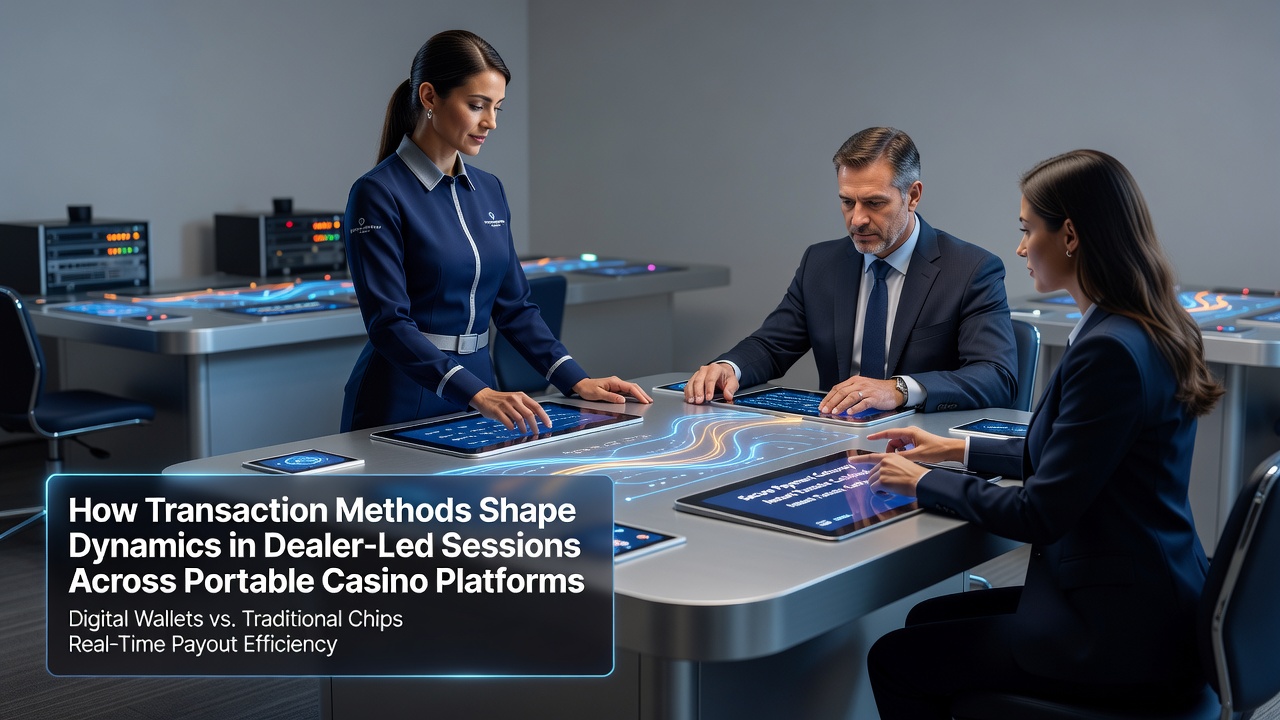
How Transaction Methods Shape Dynamics in Dealer-Led Sessions Across Portable Casino Platforms
Transaction methods influence the flow of dealer-led sessions on portable casino platforms in measurable ways, and data from industry reports indicate that payment processing speeds directly correlate with session continuity rates. Platforms supporting instant deposit options allow players to maintain engagement with live dealers without interruption, whereas slower methods introduce pauses that alter interaction patterns during card shuffles and betting rounds. Observers note that these differences become pronounced in August 2026 as mobile traffic volumes reached new peaks across multiple regions.
Payment gateways integrated into live dealer environments handle everything from credit transfers to digital wallet authorizations, and researchers have tracked how each type affects table pacing. Faster methods reduce the time between rounds, which in turn lets dealers sustain consistent verbal cues and card reveals while participants adjust bets in real time. Slower authorization sequences, by contrast, extend intervals between decisions and can shift the overall rhythm of the session.
Payment Speed and Session Continuity
Studies from gaming analytics firms show that sessions using instant bank transfers or e-wallet credits experience fewer drop-offs during dealer interactions than those relying on traditional card processing. The difference appears because portable devices maintain stable connections during quick verifications, whereas multi-step authentications sometimes trigger network handoffs that delay action. Data indicates these delays accumulate across multiple hands and change how dealers manage table tempo to accommodate varying participant readiness.
Dealers adapt their pacing based on visible transaction confirmations on the platform interface, and software logs reveal that tables with higher proportions of instant-payment users run at elevated hand rates per hour. Those tables incorporating mixed payment types display more variable timing, with observers documenting extended pauses when slower methods enter the sequence. This pattern holds across different portable operating systems and network conditions.
Regional Regulatory Influences on Transaction Options
Regulatory frameworks in various jurisdictions determine which transaction methods platforms may offer, and compliance requirements shape the available tools for dealer-led play. In Australia, for instance, oversight bodies have documented how permitted payment channels affect cross-border mobile sessions, while Canadian provincial regulators track similar metrics for domestic operators. These rules create distinct environments where certain methods dominate and influence the technical integration between banking systems and live dealer software.
Industry organizations such as the European Gaming and Betting Association have published reports detailing how standardized payment protocols support smoother data exchange during live sessions, and those findings align with usage statistics gathered from portable platforms. When platforms adopt methods aligned with local rules, session logs show reduced error rates in bet placement and payout processing, which keeps dealer-player exchanges on schedule.
Technical Integration and Dealer Workflow
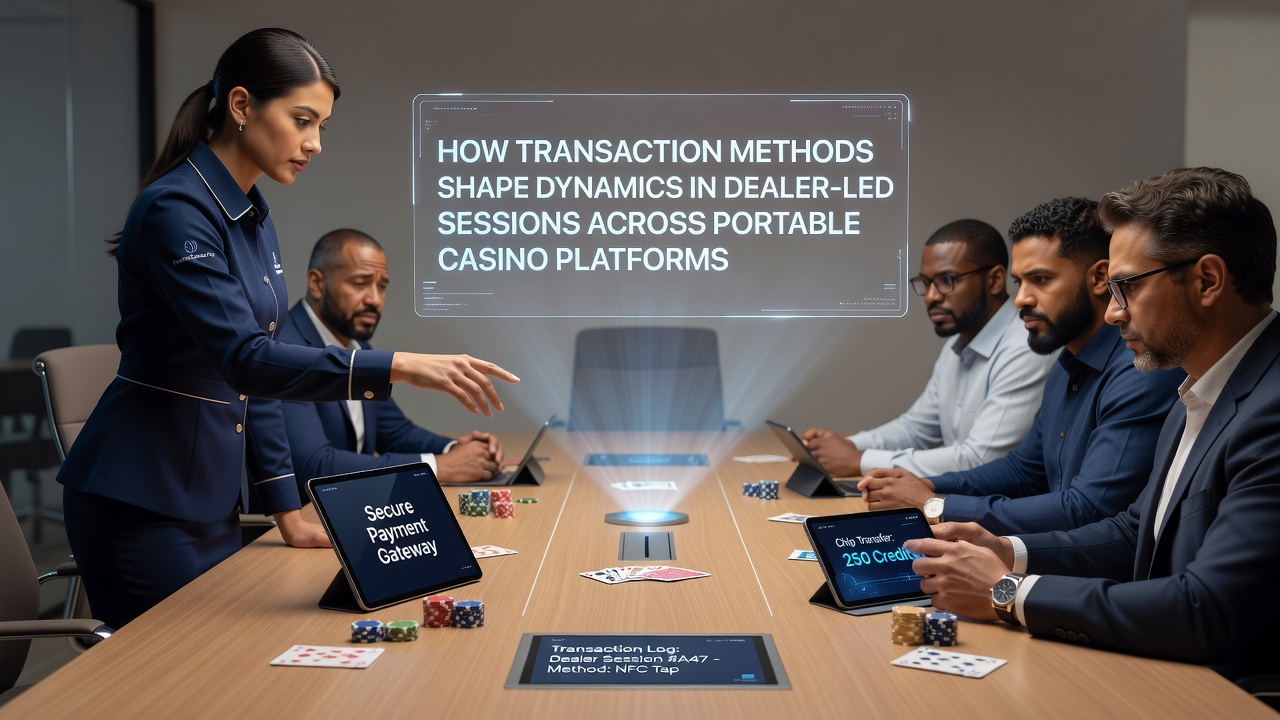
Backend systems link transaction confirmations directly to dealer interfaces, and this connection determines how quickly updated balances appear for participants. When confirmations arrive without delay, dealers receive real-time signals that allow them to proceed with draws and announcements without verbal checks for player status. Slower links require dealers to incorporate brief holds, and session recordings demonstrate that these holds alter the cadence of speech and card handling across extended play periods.
Portable platforms employ APIs that synchronize payment status with video streams, and developers have refined these connections to minimize latency during peak hours. Research from academic sources on mobile gaming infrastructure indicates that optimized APIs correlate with higher completion rates for multi-hand sequences in dealer-led formats. The integration points become critical when multiple players at one table employ different transaction methods simultaneously.
Player Behavior Patterns Across Payment Types
Analytics from platform operators reveal distinct behavioral clusters tied to transaction method preferences. Users of instant options tend to place follow-up bets more rapidly after each dealer reveal, which maintains table momentum. Participants using methods with built-in confirmation delays show clustered activity patterns, often completing transactions between rounds rather than mid-sequence. These patterns emerge consistently in aggregated data sets collected through 2026.
Dealers receive indirect cues from the platform about participant transaction status, and training materials for live dealer staff now include guidance on managing variable response times. The result appears in session metrics where tables balanced across payment types sustain steadier engagement levels than those dominated by any single method.
Conclusion
Transaction methods continue to define operational parameters for dealer-led sessions on portable platforms through their effects on timing, integration, and participant flow. Evidence from regulatory records, industry reports, and technical analyses demonstrates that processing characteristics translate into measurable differences in session structure. As portable gaming expands, the alignment between payment infrastructure adn live dealer systems remains a central factor in how these sessions unfold.