The Hidden Links Between Bonus Mechanics and Player Well-Being in On-the-Go Gaming
Theo Powell · Aug 22, 2026
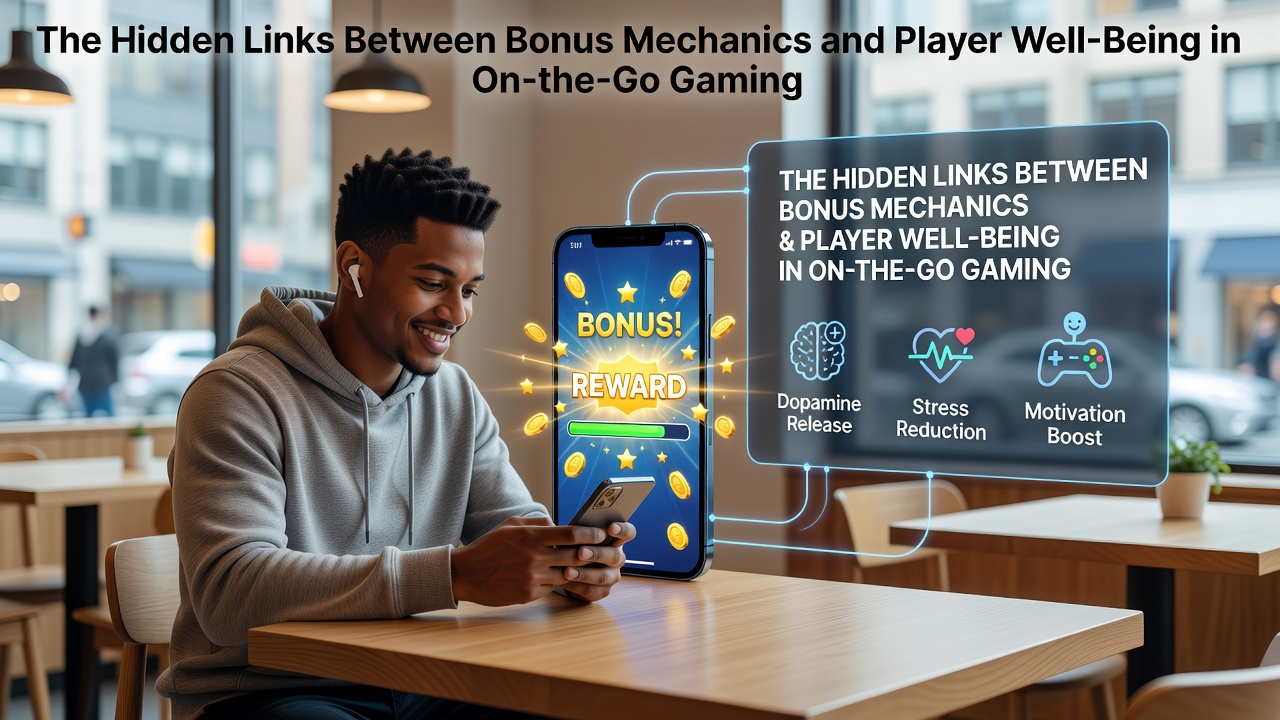
The Hidden Links Between Bonus Mechanics and Player Well-Being in On-the-Go Gaming
Bonus mechanics in on-the-go gaming have expanded rapidly since the rise of mobile platforms, and researchers continue to examine how these systems connect to player well-being across different regions. Daily login rewards, streak multipliers, and limited-time offers now appear in both free-to-play titles and real-money applications, which creates patterns that data analysts track through usage metrics collected in 2025 and 2026.
Studies from the Australian Institute of Health and Welfare reveal that players who receive frequent small bonuses report higher session frequency, yet the same data shows elevated reports of sleep disruption when notifications arrive after 10 p.m. Observers note that these mechanics often rely on variable reward schedules similar to those documented in behavioral psychology, which keeps engagement levels steady without requiring constant new content development from studios.
Common Bonus Structures in Mobile Environments
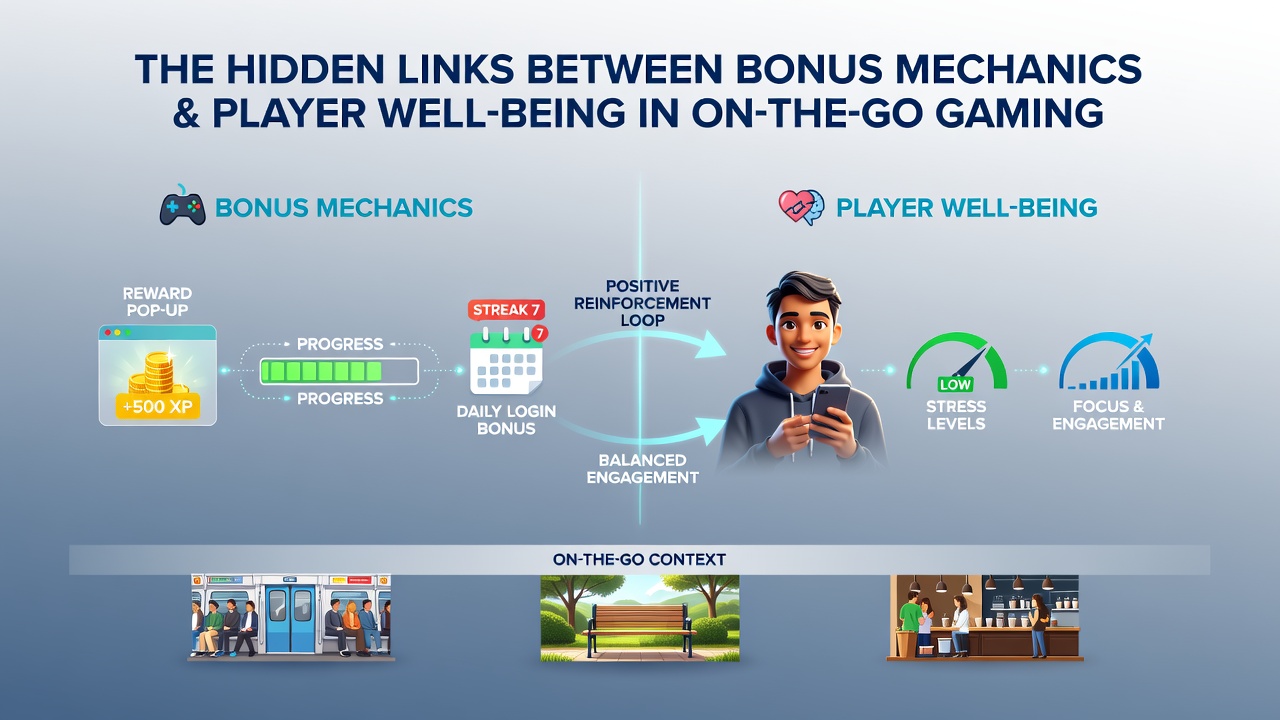
Many developers deploy time-limited events that reset every few hours, and this design encourages players to check devices during short breaks at work or while traveling. Progress bars that fill through repeated logins combine with social leaderboards, so individuals compare their completion rates against friends or global rankings. Data indicates that such features increase average daily active users by measurable percentages in markets across North America and Europe, while the same mechanics correlate with higher churn rates once the initial novelty fades.
Regulators in Canada have documented how bonus expiration timers influence decision speed, and figures from the Canadian Centre on Substance Use and Addiction link these timers to increased spending among users who already show signs of extended play sessions. Meanwhile, loot box systems that guarantee at least one rare item after a set number of opens appear in several high-grossing titles released before August 2026, and academic papers from the University of Helsinki examine how these guarantees affect perceived fairness among younger demographics.
Measured Effects on Daily Functioning
Longitudinal tracking conducted by independent research groups shows that players who optimize bonus collection routines often adjust sleep schedules to align with reset times, and this adjustment appears more frequently among those aged 18 to 34. Heart rate variability data collected through wearable devices during evening gaming periods suggests elevated stress markers when players chase streak bonuses that expire within minutes. Yet the same datasets record temporary mood improvements immediately after successful reward claims, which creates a cycle that some mental health professionals describe as short-term reinforcement followed by longer-term fatigue.
Workplace productivity studies in several EU member states have begun including gaming app usage logs, and preliminary results point to more frequent micro-breaks among employees who receive push notifications about bonus availability. These interruptions remain brief in most cases, but repeated instances accumulate into noticeable reductions in sustained attention during afternoon hours. Researchers continue to separate correlation from causation in these patterns, because many participants also report using games as deliberate stress relief after demanding tasks.
Regional Data and Regulatory Responses
Government agencies in Australia and New Zealand have published aggregated reports that compare bonus-driven engagement rates with self-reported well-being scores collected through national health surveys. The findings show modest increases in anxiety scores among heavy users who chase completion bonuses, while lighter users display neutral or slightly positive associations with the same features. Industry associations such as the Interactive Games and Entertainment Association have responded by publishing voluntary guidelines that recommend clearer expiration warnings and optional cooldown periods.
Academic teams at several universities now model bonus frequency against player retention curves, and these models help studios predict when reward density might cross into diminishing returns for mental health metrics. One analysis released in early 2026 examined over 2 million anonymized accounts and found that players who disable bonus notifications maintain longer intervals between sessions without corresponding drops in overall satisfaction ratings.
Future Monitoring and Industry Adjustments
Developers have started testing adjustable bonus cadences that adapt to individual play history, and early trials indicate reduced reports of compulsive checking among participants who receive personalized pacing suggestions. Public health bodies in multiple countries continue to request access to anonymized telemetry so that correlations between specific mechanics and well-being indicators can be tracked over multi-year periods. These efforts remain ongoing as of August 2026, with new datasets scheduled for release in subsequent quarters.
Conclusion
The connections between bonus mechanics and player well-being emerge through repeated measurement across large populations rather than isolated incidents, and current evidence points to both engagement benefits and measurable costs depending on usage intensity and notification management. Continued collaboration between regulators, researchers, and developers will determine how these systems evolve in the coming years.